About us
In 2011, a group of old men from the Holme Valley, mainly retirees, formed the NCOM walking club to do a walk and pub lunch on the last Friday of very month. The idea came from an Annual Boys Walk from Upperthong to Diggle, along part of the Pennine Way, that had been done each year by some of the group since 1995. Coming into their retirement years, the group wanted to do regular monthly walks together. The core of that initial NCOM group is still walking, the founder members, with some new members joining over the years since then.
The name NCOM or No Country for Old Men, comes from the 2005 neo-Western crime thriller book by Cormac McCarthy, which was turned into the 2007 film written and directed by the Coen Brothers. The words are from the first line of a poem by WB Years, the Irish poet, as below. Written in 1926 (when Yeats was 60), “Sailing to Byzantium” is Yeats’ definitive statement about the agony of old age and the imaginative work required to remain a vital person when the body is dying.
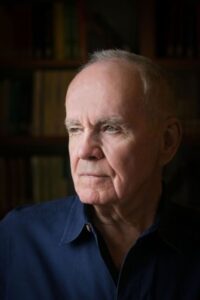
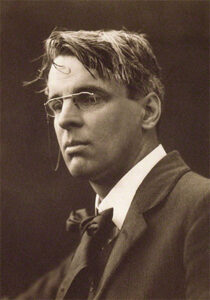
Yeats’s solution to “an aged man is but a paltry thing” was to leave the country of the young and travel to Byzantium, where the sages in the city’s famous gold mosaics could become the “singing-masters” of his soul..
NCOMers’ solution for old age is to walk, eat and drink together whilst enjoying the glorious scenery and the pubs of the South Pennines!
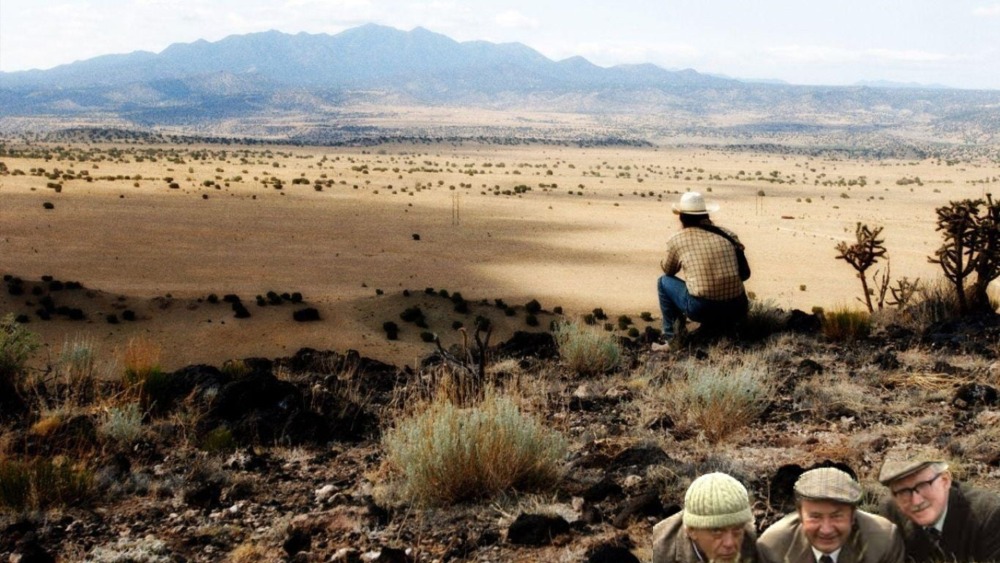
Walking together on the last Friday of every month for the last 10+ years, NCOM has tramped over 150+ walks along the footpaths of the Holme Valley and the South Pennines. Each walk has been chosen and led by an NCOM member.
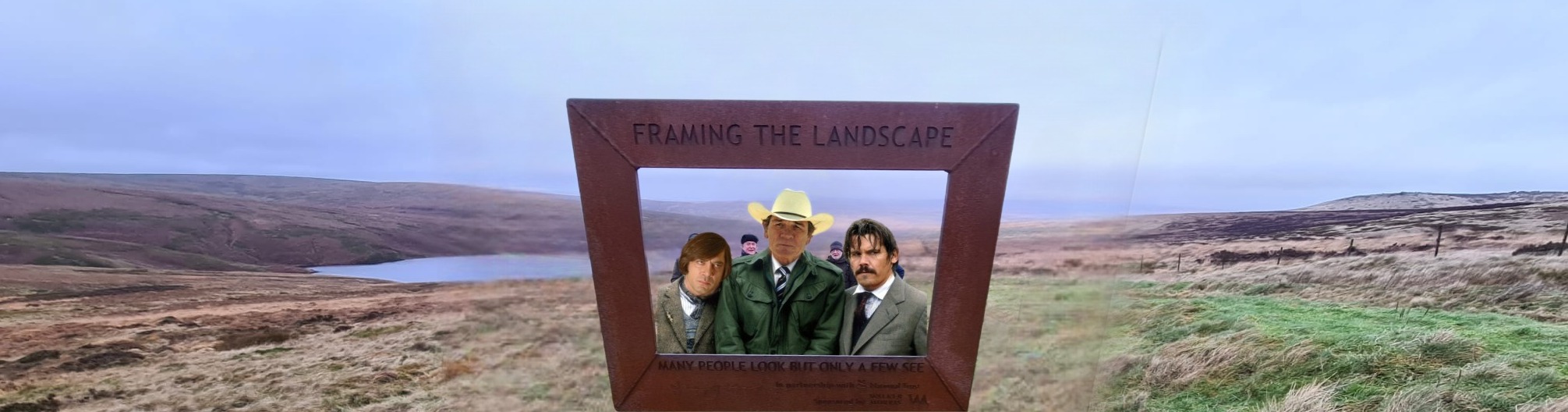
The theme of our website blends the imagery of the Last of the Summer Wine countryside in the South Pennines with that of the wild ‘badlands’ of the West Texas and New Mexico desert in the USA where the No Country for Old Men book and film were set.
An affectionate parody!
Sailing to Byzantium
by WB Yeats
That is no country for old men. The young
In one another’s arms, birds in the trees
– Those dying generations – at their song,
The salmon‐falls, the mackerel‐crowded seas,
Fish, flesh, or fowl, commend all summer long
Whatever is begotten, born, and dies.
Caught in that sensual music all neglect
Monuments of unageing intellect.
An aged man is but a paltry thing,
A tattered coat upon a stick, unless
Soul clap its hands and sing, and louder sing
For every tatter in its mortal dress,
Nor is there singing school but studying
Monuments of its own magnificence;
And therefore I have sailed the seas and come
To the holy city of Byzantium.
O sages standing in God’s holy fire
As in the gold mosaic of a wall,
Come from the holy fire, perne in a gyre,
And be the singing‐masters of my soul.
Consume my heart away; sick with desire
And fastened to a dying animal
It knows not what it is; and gather me
Into the artifice of eternity.
Once out of nature I shall never take
My bodily form from any natural thing,
But such a form as Grecian goldsmiths make
Of hammered gold and gold enamelling
To keep a drowsy Emperor awake;
Or set upon a golden bough to sing
To lords and ladies of Byzantium
Of what is past, or passing, or to come.